The check engine light has a way of showing up at the worst time. On the way to work, halfway down the Yellowhead, or the morning after the first cold snap.
It does not always mean something serious. It also should not be ignored. Here is what the light is telling you, how urgent it is, and what to do next.
The check engine light means your vehicle’s computer has found a problem in the engine, emissions or fuel system and stored a trouble code. A steady light means have it checked soon. A flashing light usually means the engine is misfiring, so slow down, avoid hard acceleration and get it checked right away to protect the catalytic converter.
What the check engine light actually is
Modern vehicles have an onboard diagnostic system, often called OBD II. It watches sensors in the engine, fuel and emissions systems all the time. When a reading falls outside the normal range, the computer stores a trouble code and turns on the light.
That code points to the system that reported a problem. It does not always tell you which part failed. That difference matters, and we will come back to it.
Steady or flashing: how urgent is it?
A steady light
If the light is steady and the vehicle drives normally, it is usually safe to drive to a shop soon. Do not put it off for weeks, though. A small problem can grow into a bigger one, and it can affect fuel use and emissions in the meantime.
A flashing light
A flashing light is your vehicle’s way of saying stop and pay attention. It usually means the engine is misfiring. Unburned fuel can then reach the catalytic converter and overheat it, which can be a costly part to replace. Slow down, avoid heavy loads and towing, and have it checked right away.
When to pull over
Pull over safely and turn the engine off if the check engine light comes on along with any of these:
- The temperature gauge climbs high or you see steam
- The red oil pressure light comes on
- You lose power, or the engine shakes badly
- You smell something burning
Common reasons the light comes on
A loose or worn gas cap
It sounds too simple, but it happens. A loose, cracked or worn gas cap can let fuel vapour escape and trigger the light. Tighten it until it clicks. If the light does not go off after a few drives, have the codes read.
Oxygen sensors
Oxygen sensors measure what is left in your exhaust so the engine can adjust its fuel mix. A failing sensor can hurt fuel economy and trigger the light.
Spark plugs and ignition coils
Worn spark plugs or a failing ignition coil can cause a misfire. You may feel a rough idle, hesitation or a shake when you accelerate. This is one of the common reasons for a flashing light.
Leaks in the fuel vapour system
Your vehicle captures fuel vapour instead of letting it into the air. A cracked hose, a bad valve or a leaky seal in that system can turn the light on, often with no change in how the vehicle drives.
Air flow sensors and vacuum leaks
A dirty or failing air flow sensor, or a cracked vacuum hose, can throw off the fuel mix. Rough running, stalling and poor fuel economy are common signs.
Catalytic converter
The catalytic converter cleans your exhaust. It often fails because of another problem upstream, like a misfire that was left too long. That is one more reason not to ignore a flashing light.
A code is a clue, not an answer
A trouble code tells us which system reported a problem, not always which part failed. An oxygen sensor code, for example, can be caused by the sensor itself, a wiring fault, an exhaust leak or a fuel mix problem.
That is why we test before we replace anything. Reading the code is the start. Looking at live data and testing the related parts is how you find the real cause and avoid paying for parts you did not need.
What to do when the light comes on
Keep this checklist handy:
- Note whether the light is steady or flashing
- Check your other gauges: temperature, oil pressure and battery
- Tighten your gas cap until it clicks
- Notice any changes: rough idle, hesitation, new noises, smells or higher fuel use
- Note when it started, such as after a fill up, a cold morning or heavy rain
- Avoid towing or heavy loads until it is checked
- Book a diagnostic check, and sooner if the light is flashing
The notes you take help us narrow things down faster, so bring them with you.
How we diagnose a check engine light
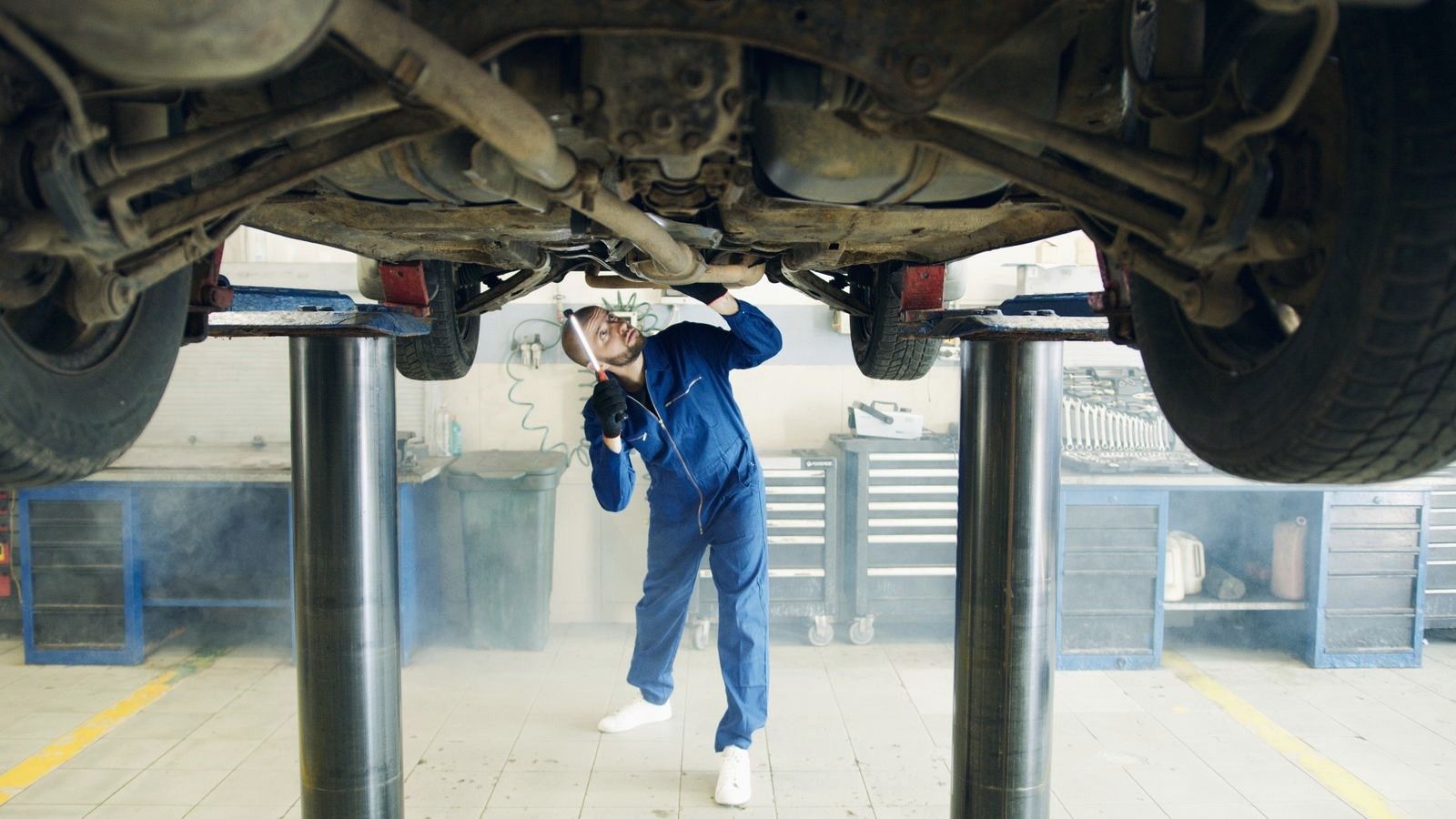
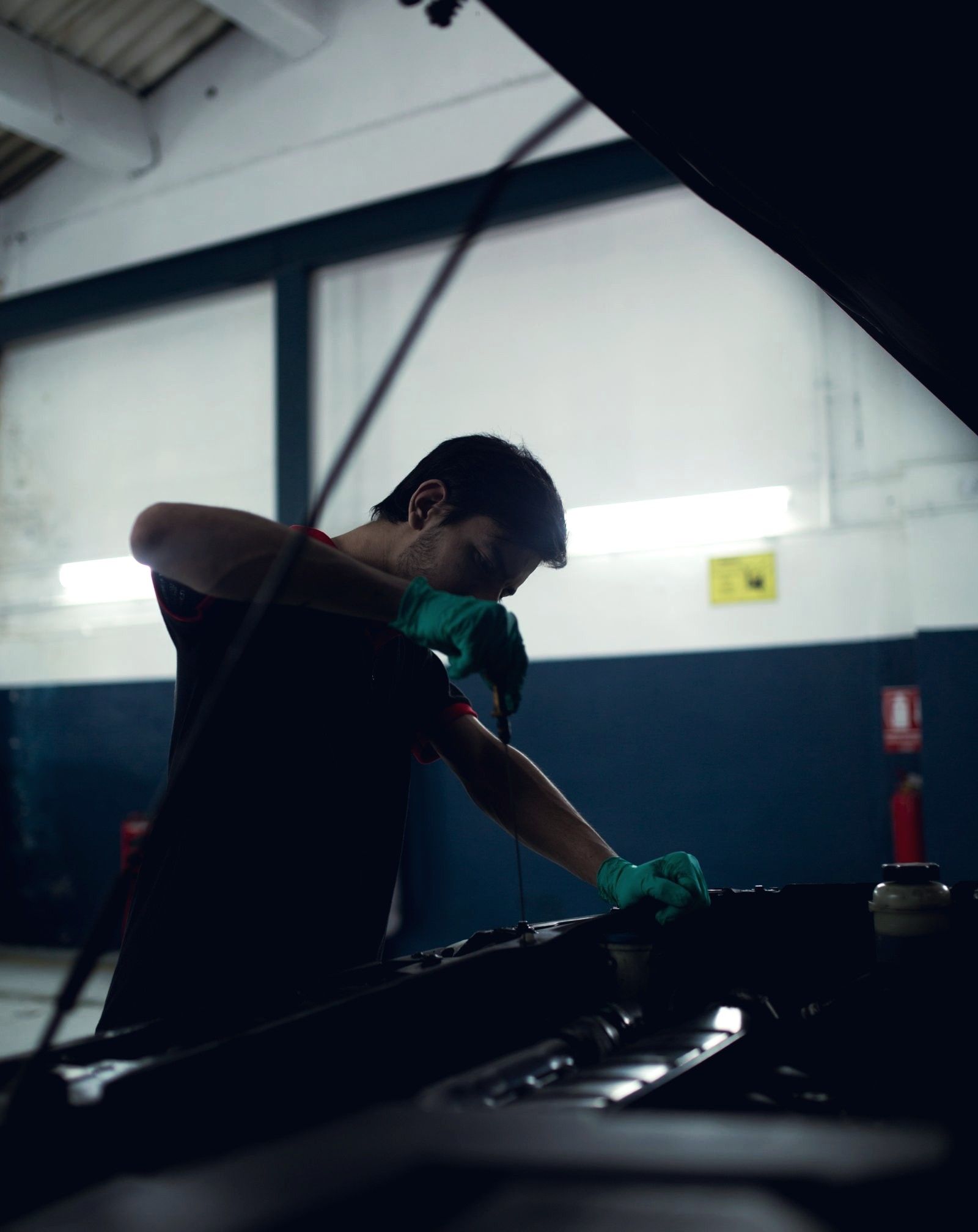
At Full Service Automotive in Sherwood Park, we read the stored trouble codes with a scan tool, look at live engine data and test the parts and systems behind them. We check for simple causes first. Then we explain what we found in plain words, how urgent it is and what your options are, with a clear estimate before any repair.
Learn more about our electrical and diagnostic services. If you are also seeing a high temperature gauge, our heating and air conditioning page covers the cooling parts behind it. Warning lights on cold mornings can also point to a weak battery, so ask for a battery and charging test at the same visit. Keeping up with regular maintenance helps prevent many of the problems that turn the light on in the first place.
Book a diagnostic check in Sherwood Park
If your check engine light is on, get a straight answer instead of guessing. Full Service Automotive is at Unit 160, 167 Provincial Ave in Sherwood Park, just off the Yellowhead (Highway 16) near Millennium Place. Send us a booking request, tell us what the light is doing and how the vehicle feels, and we will get back to you to set up a time.