Every fall in Sherwood Park, the same question comes up: is it time for winter tires yet?
The first snowfall is not the best signal. By the time it arrives, you have often already driven on cold, slick roads with tires that were not made for them.
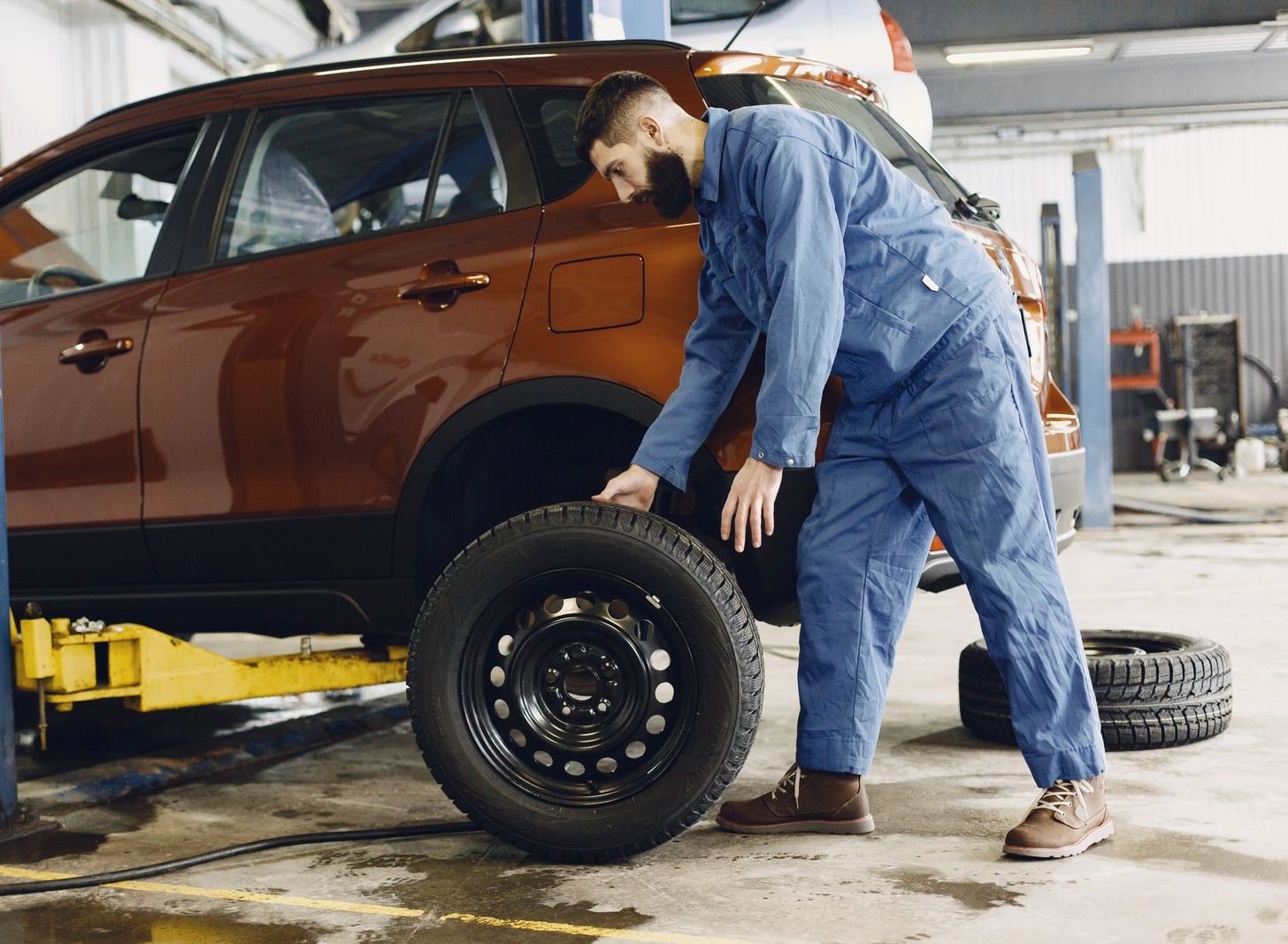
Switch to winter tires once temperatures stay around 7 degrees Celsius or colder, because all season rubber starts to harden in the cold and loses grip. In the Sherwood Park area that is often in October. While the wheels are off, it is a smart time to check your alignment after a season of potholes.
What the 7 degree rule means
The 7 degree rule is a common guideline in Canada. Tire rubber is made to work within a range of temperatures. All season and summer tires are designed for milder weather, and once the air drops to around 7 degrees, their rubber gets stiffer. Stiff rubber does not grip as well, even on dry pavement.
Winter tires use a softer rubber that stays flexible in the cold. They also have deeper tread and many small slits called sipes that bite into snow and ice. That is why they stop and turn better on cold roads, not only on snowy ones.
Look for the right symbol
True winter tires carry the mountain and snowflake symbol on the sidewall. A tire marked only “M+S” (mud and snow) is not the same thing, and many all season tires carry that mark.
Why waiting for the first snow is a mistake
Frosty mornings show up well before the snow stays. Slush, frost on bridges and black ice on overpasses along the Yellowhead and Highway 21 can catch you off guard in the weeks before winter really settles in.
A simple plan works well. Watch the forecast in early fall, and book your changeover once daytime highs are sitting around 7 degrees or below and nights are near freezing. That way you are ready on the first bad morning instead of scrambling after it.
Are winter tires required in Alberta?
No. Alberta does not require winter tires by law. Many Strathcona County drivers still use them because they stop and turn better on snow, ice and cold pavement. Some insurance companies offer a discount for winter tires, so it is worth asking yours.
Your winter tire checklist
Before your winter tires go back on, check them over:
- Tread depth: winter tires lose much of their bite as the tread wears down
- Sidewalls: look for cracks, bulges or cuts
- The mountain and snowflake symbol on every tire
- Tire age: rubber hardens over time, even when the tread looks fine
- A matching set of four, not two
- Lug nuts and wheels, if you are moving tires onto different rims
After the changeover, check your tire pressure again once it gets colder. Tire pressure drops as the temperature falls, and low pressure hurts grip and wears tires faster.
Storing your off season tires
When your summer or all season tires come off, clean them and store them somewhere cool, dry and out of direct sunlight. Keep them away from furnaces, heaters and electric motors. Stack them flat or hang them, and mark which corner of the vehicle each one came from so they can be rotated next time.
Why alignment matters after pothole season
Spring and summer leave a mark on our roads. Frost heaves, potholes, construction zones and curbs that were hidden under snowbanks all hit your wheels hard. One good hit can knock your alignment out or bend a steering or suspension part.
Signs your alignment is off
- The vehicle pulls to one side on a straight, flat road
- The steering wheel is off centre when you drive straight
- Your tires are wearing faster on one edge
- You feel a vibration at highway speed (often a balance issue, which we also check)
- The steering feels loose or wanders
Why it matters even more in winter
A vehicle that pulls or wanders on dry pavement is harder to control on ice. Poor alignment also wears tires unevenly, so a good set of winter tires can lose tread faster than it should. Checking your alignment at the changeover protects both your safety and your tires.
If your vehicle clunks over bumps or the steering feels loose, the cause may be worn suspension parts rather than alignment alone. Our page on suspension, steering and alignments explains the signs.
What we do at a seasonal changeover
When you book a tire change with Full Service Automotive, we:
- Swap your seasonal tires
- Balance your wheels
- Check tread, condition and pressure, including your spare
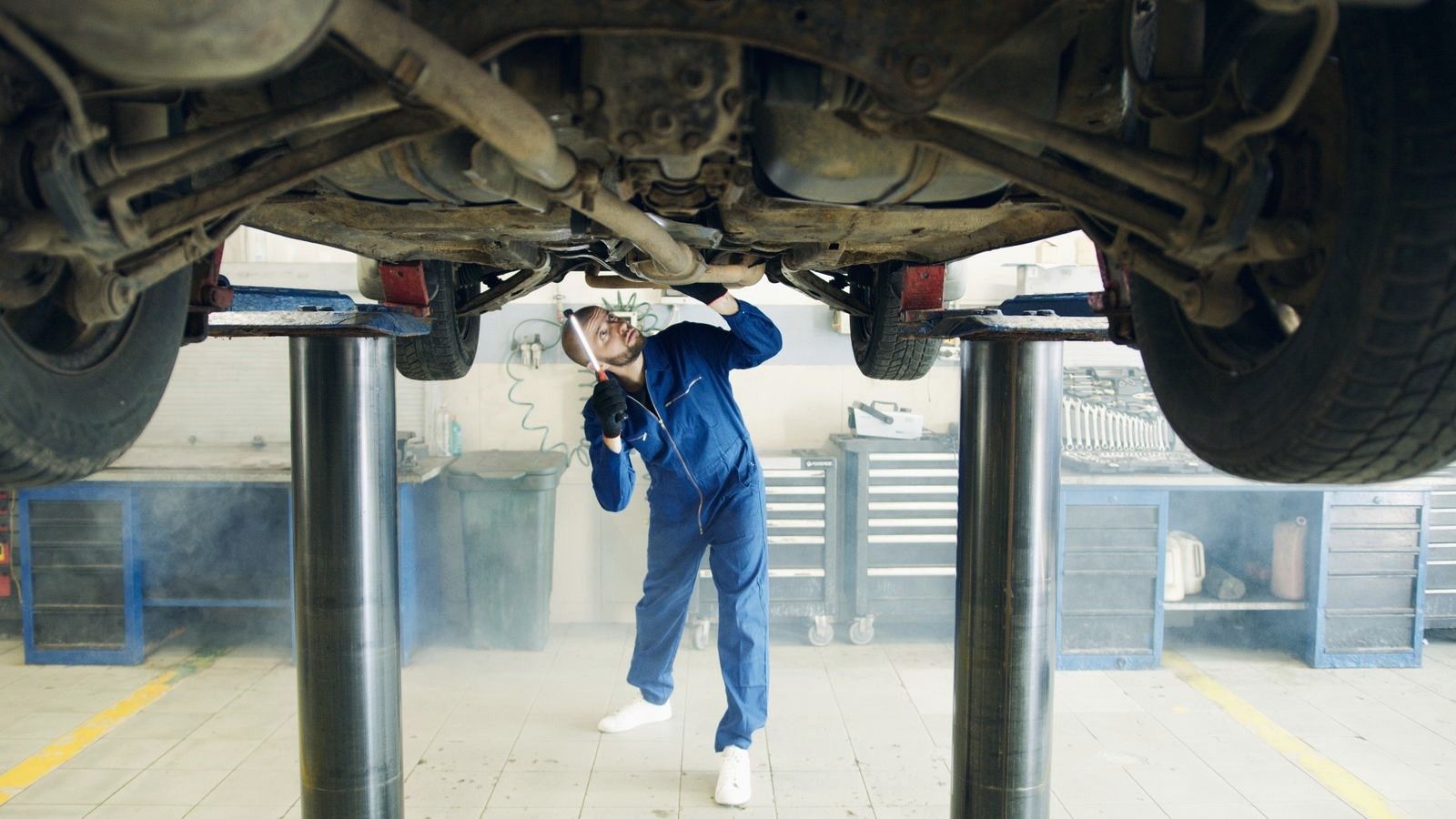
- Check your wheel alignment and adjust it when it needs it
- Give you honest advice on when your tires need replacing
As always, you get a clear estimate before any extra work. See more about our tires and wheels and our wheel alignments.
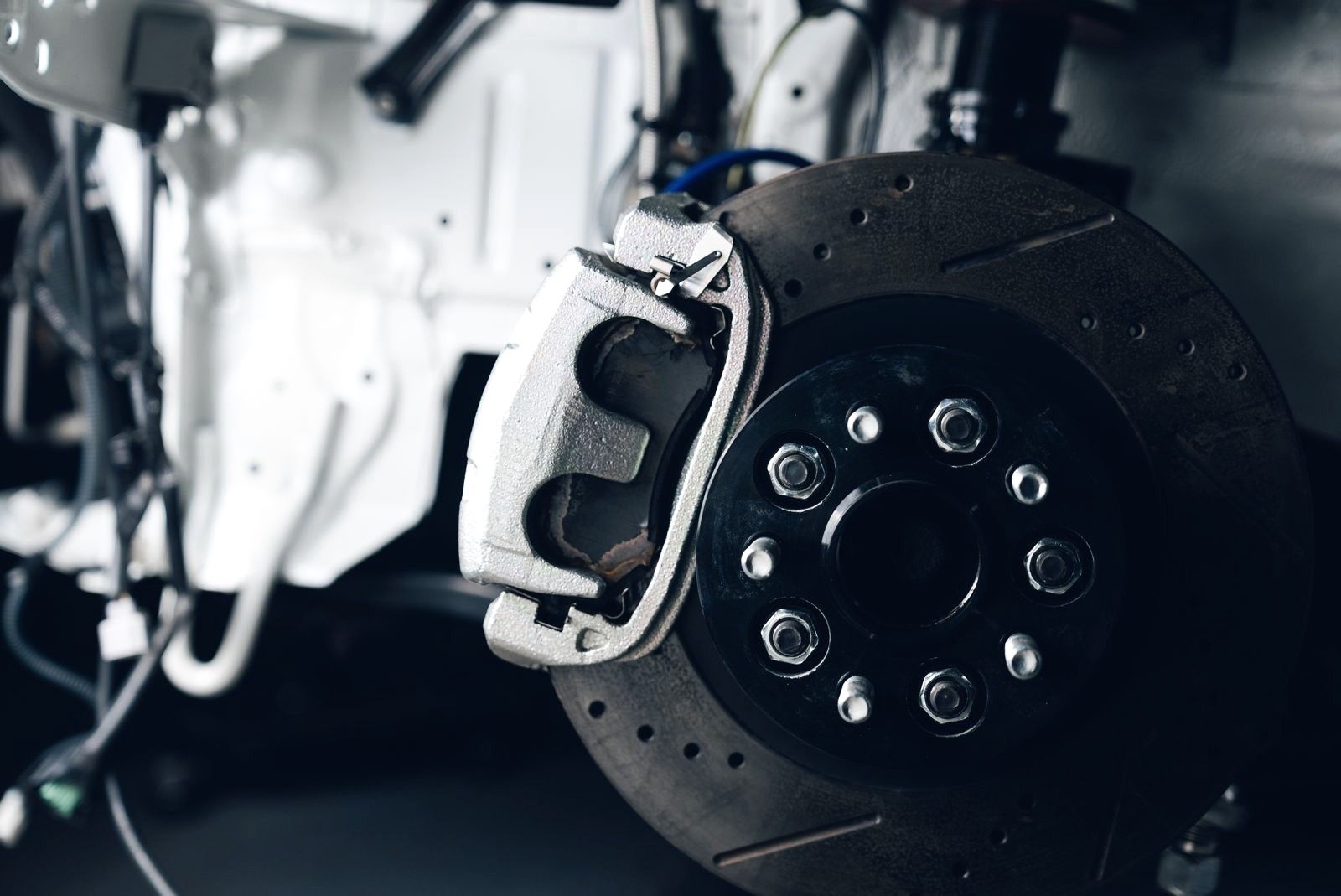
Winter is also the season when weak parts show up. Pair your changeover with a winter inspection, a battery test before the first deep freeze, and a quick look at your brakes. Our guide to the signs your brakes need attention covers what to watch for.
Book your winter tire change in Sherwood Park
If temperatures are dropping and your summer or all season tires are still on, now is the time. Full Service Automotive is at Unit 160, 167 Provincial Ave in Sherwood Park, just off the Yellowhead (Highway 16) near Millennium Place. Send us a booking request with your vehicle and what you need, and we will get back to you to set up a time and get you ready for the season.